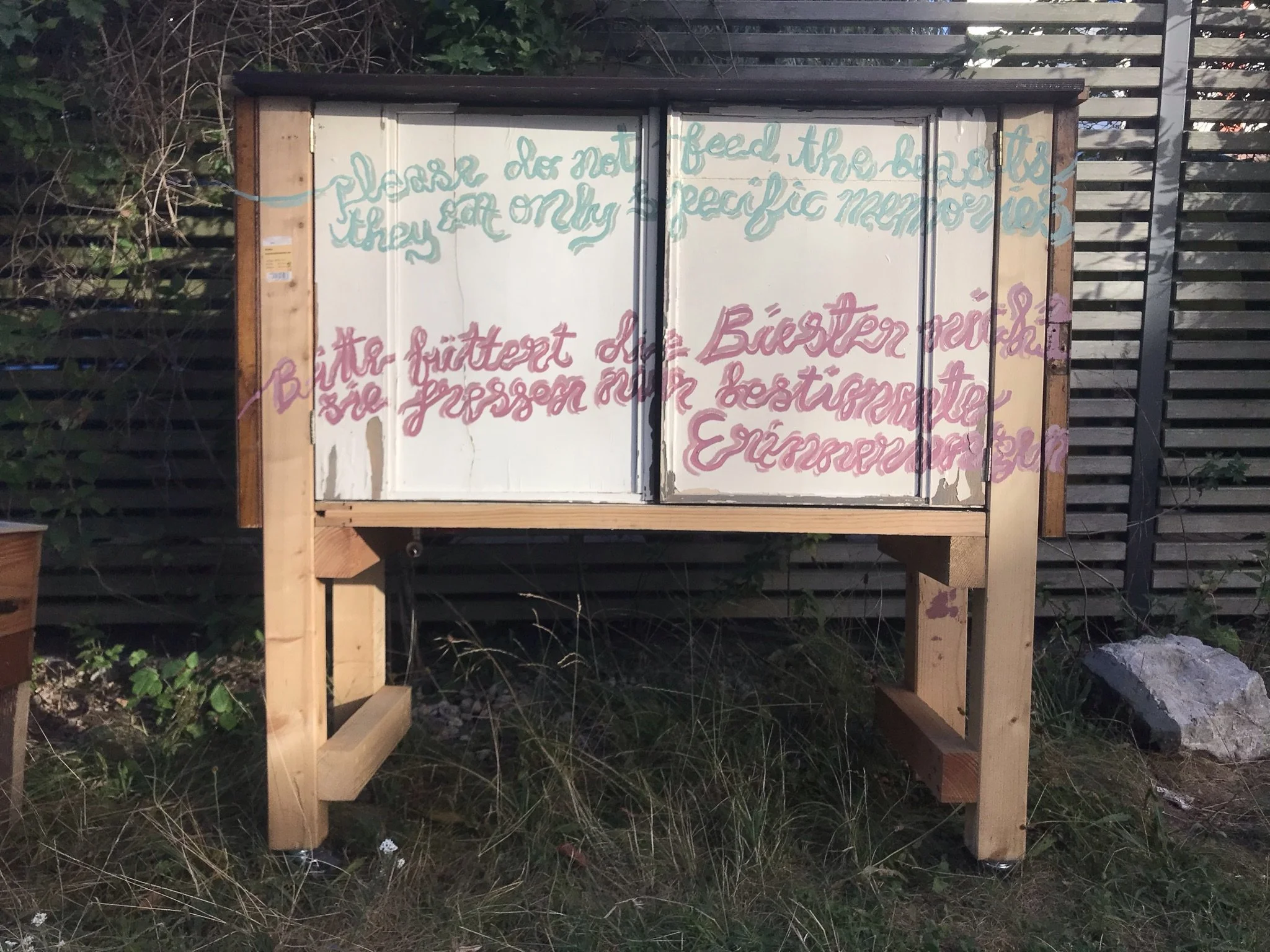
The Worms Garden
Red compost worms & habitual environment, running for 1,5 years
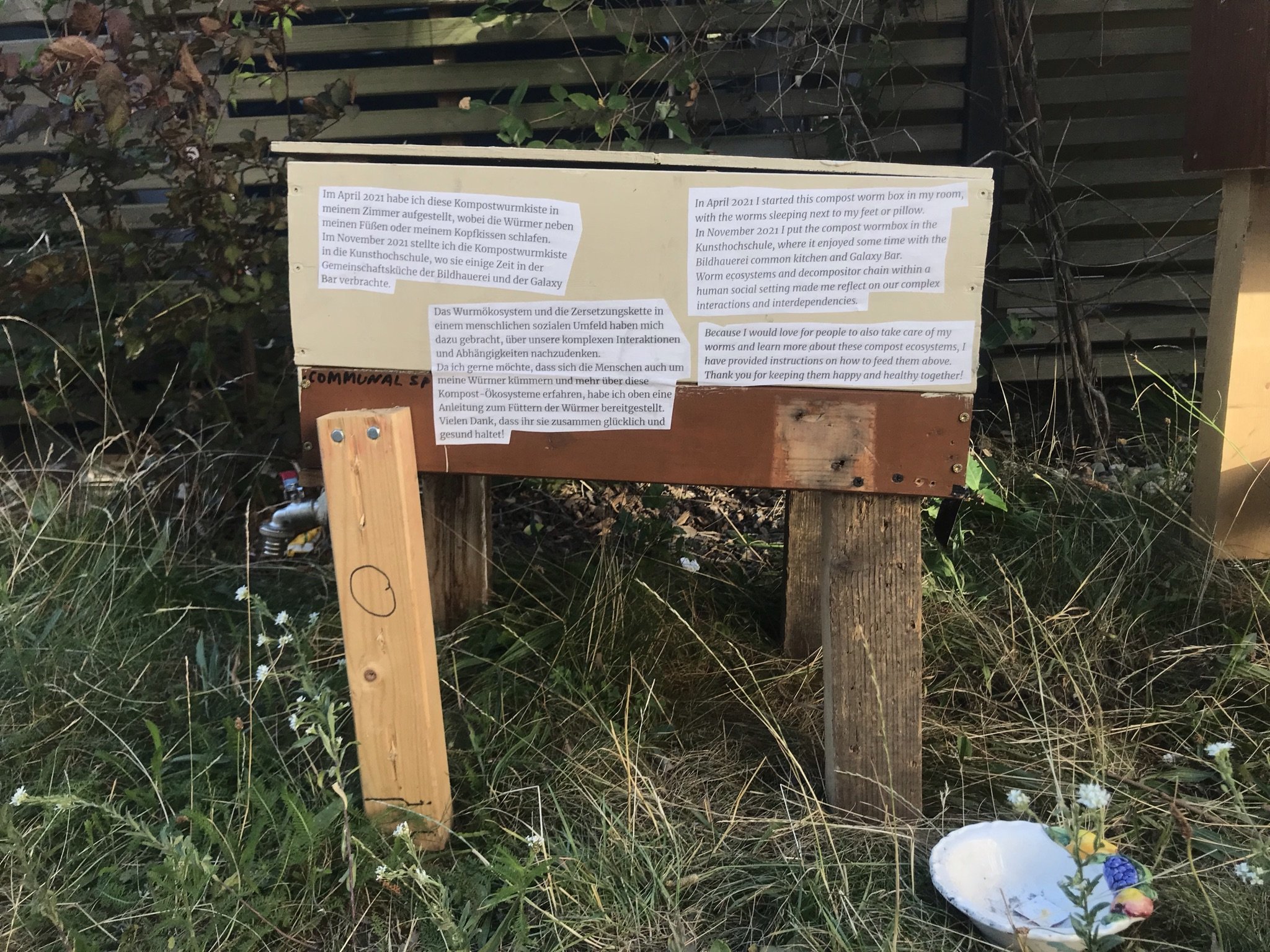
The worms garden was a living project I undertook around the second year of the Covid-19 pandemic. I lived with the worm ecosystem in my bedroom, literally sleeping with my pillow next to a box of breathing worms.
It is difficult to say what made me interested to start this. Reflecting back, during the heights of the Covid-19 pandemic, many of us were reconfiguring our lives around home, work, and relationships with so-called ‘humans and non-humans’ (what a colonial binary!) and collectively, globally, we were also forced to acknowledge the consequences of our domination towards nature. The consequences of which we only became conscious of when the system’s collapse disrupts our lives.
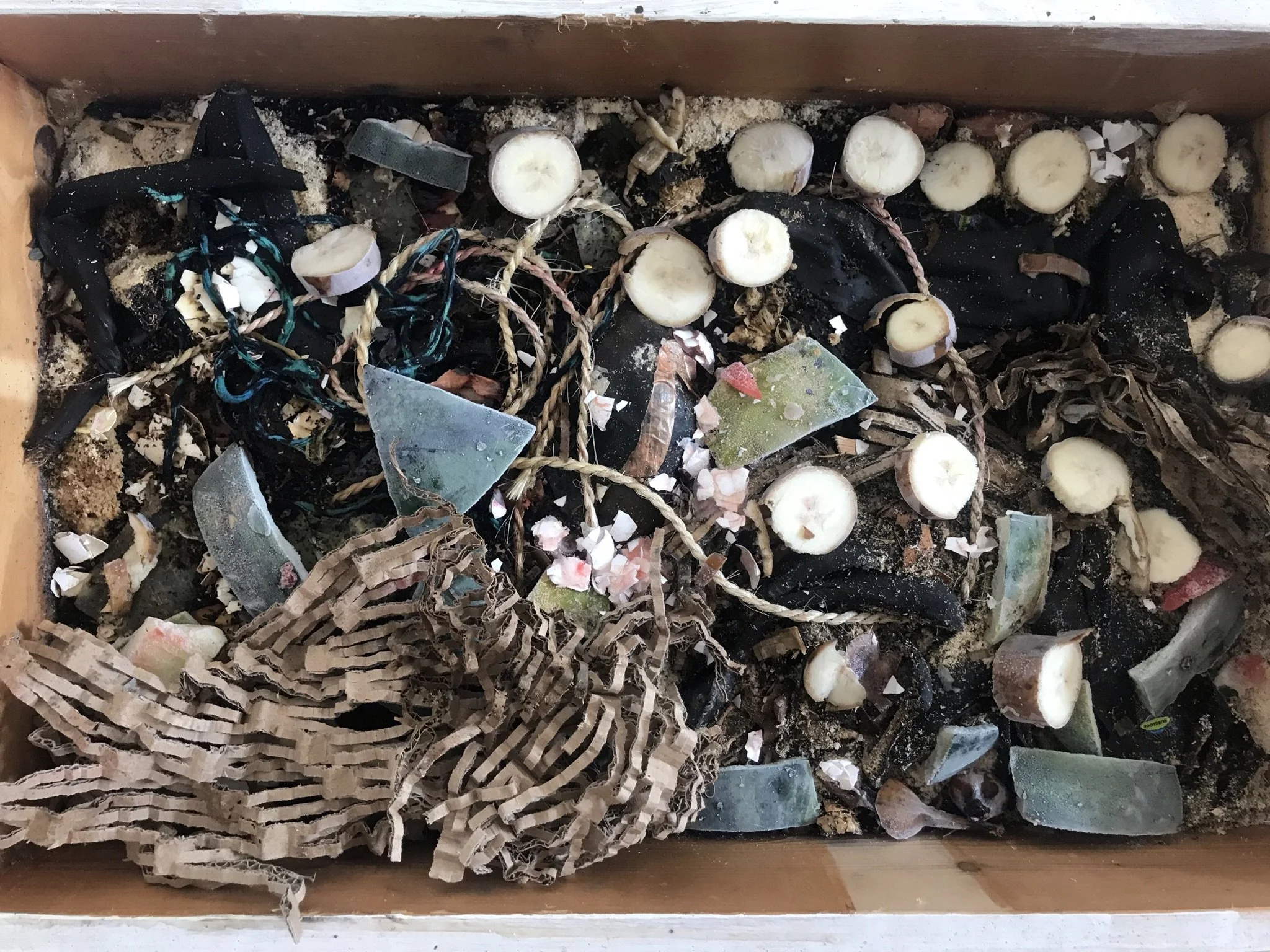
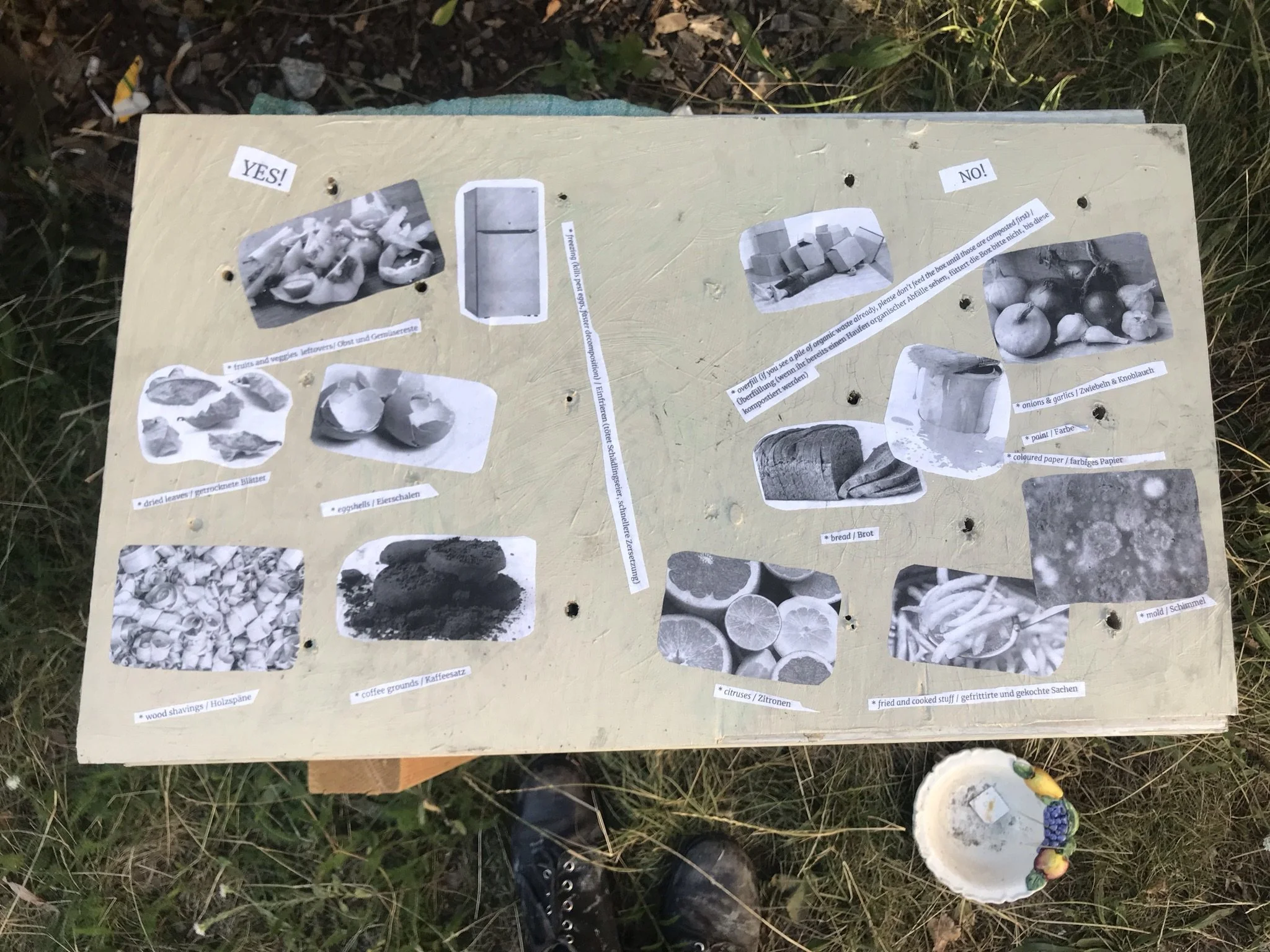
Living together with the worm compost ecosystem for 9 months in my bedroom was a pleasure. My routine changed around it: I learned what worms like and don’t like or cannot eat, I saved up my waste that it could consume, froze them for the worms’ convenience and easier breakdown, I left it alone for periods it needed to be left alone, and excitedly checked up on it during other times.
During the summer, unfortunately, the heat in my room became too much and the worms started escaping, the ecosystem shifted balance as flies and other decomposers started to become more active, it started to freak me out, I also had one horrible nightmare under the influence of (legal) substances where I turned into a worm, and for all these reasons - I moved the box ecosystem to my shared studio in the art school, which was a horrible mistake. The distance between my waste, the kitchen, and the worms became too far, and I stopped feeding them consistently.
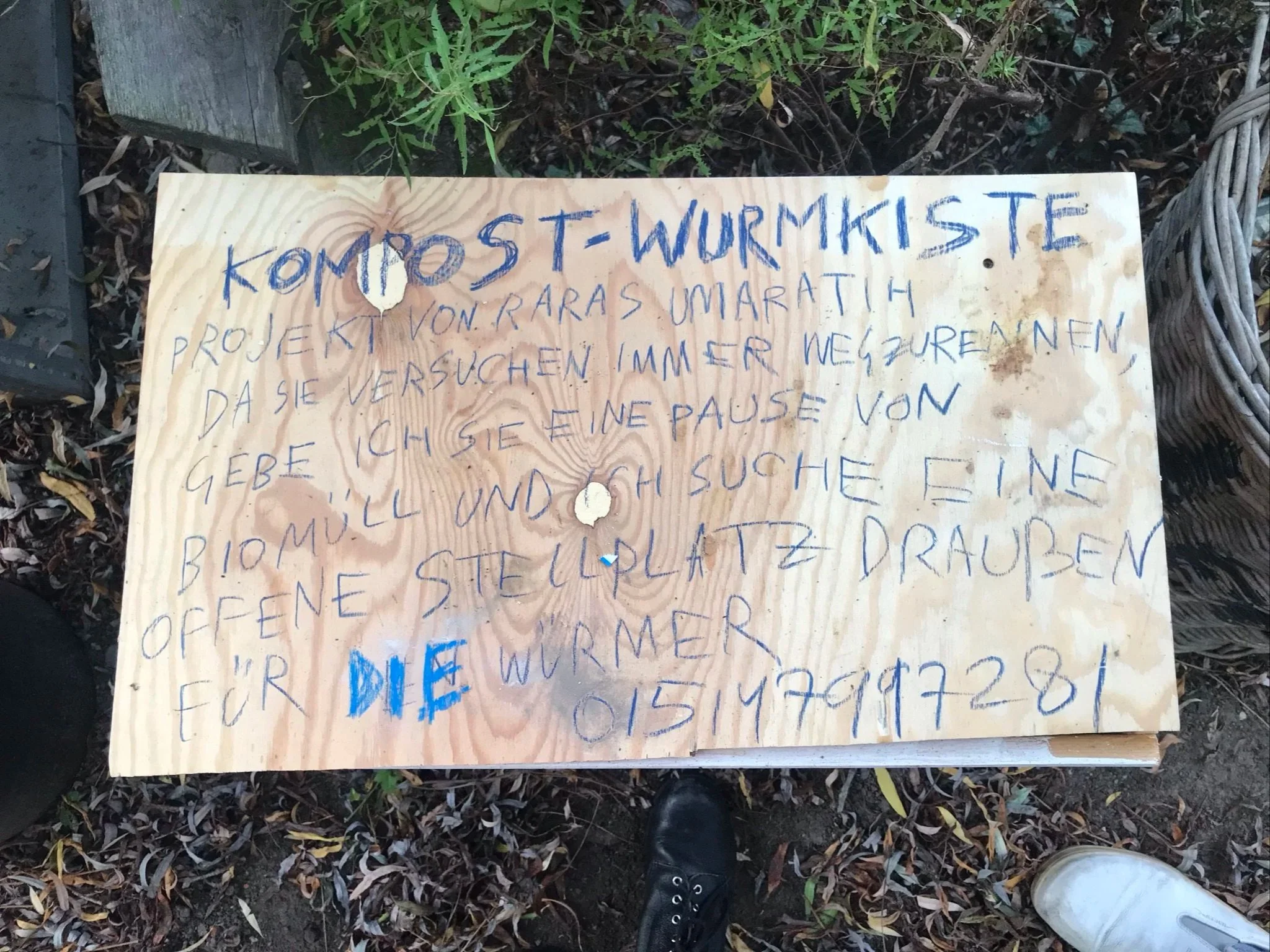
Even creating an infographic around the Do’s and Don’ts of worm feeding and putting them around the box, hoping to turn it into a community project, did not work out. It also made me realize that education is more than just making an infographic but rather a constant practice.
I would like to deeply apologize to the worms I’ve sacrificed, I would love to do it again with my accumulated knowledge.
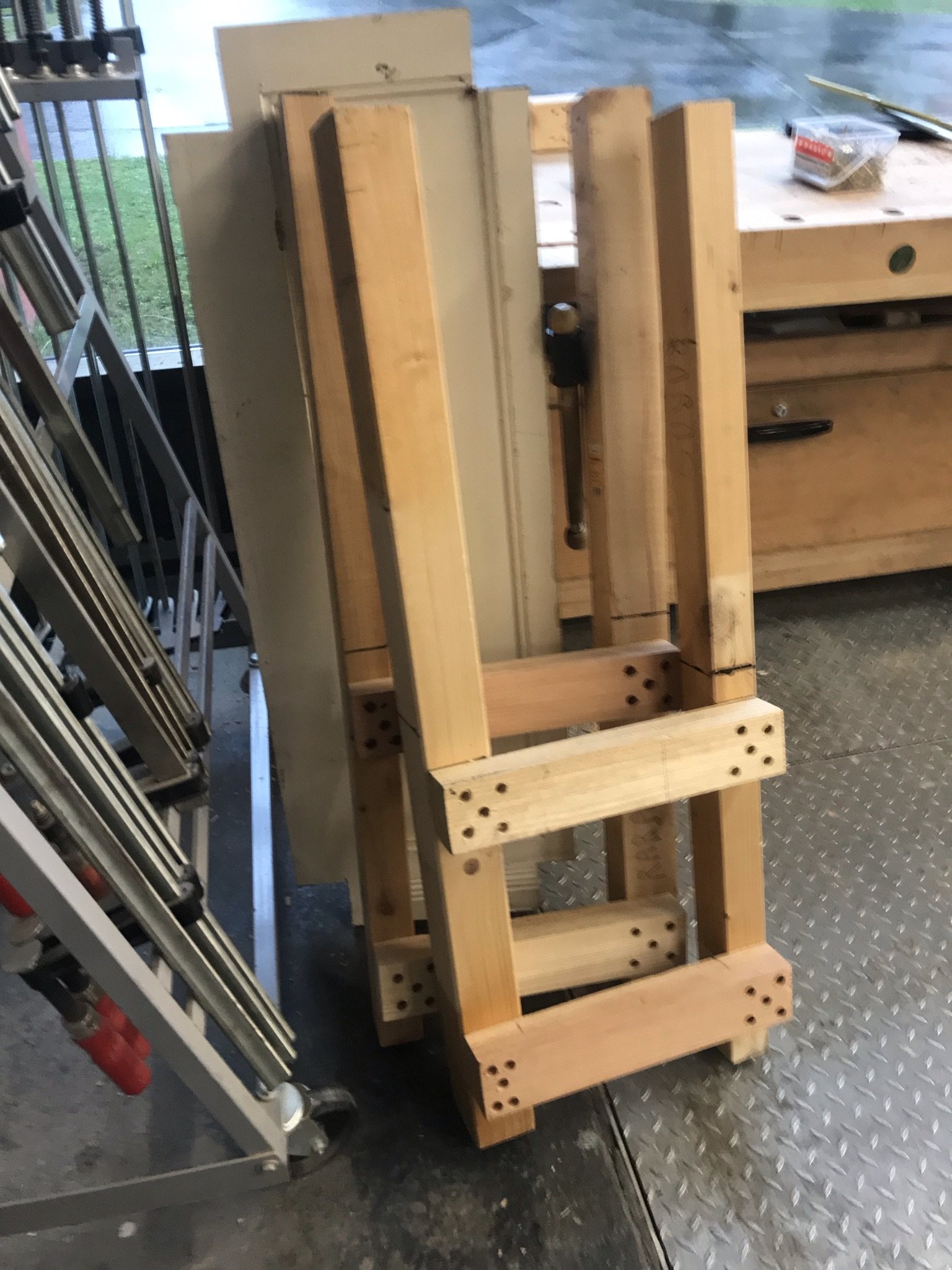
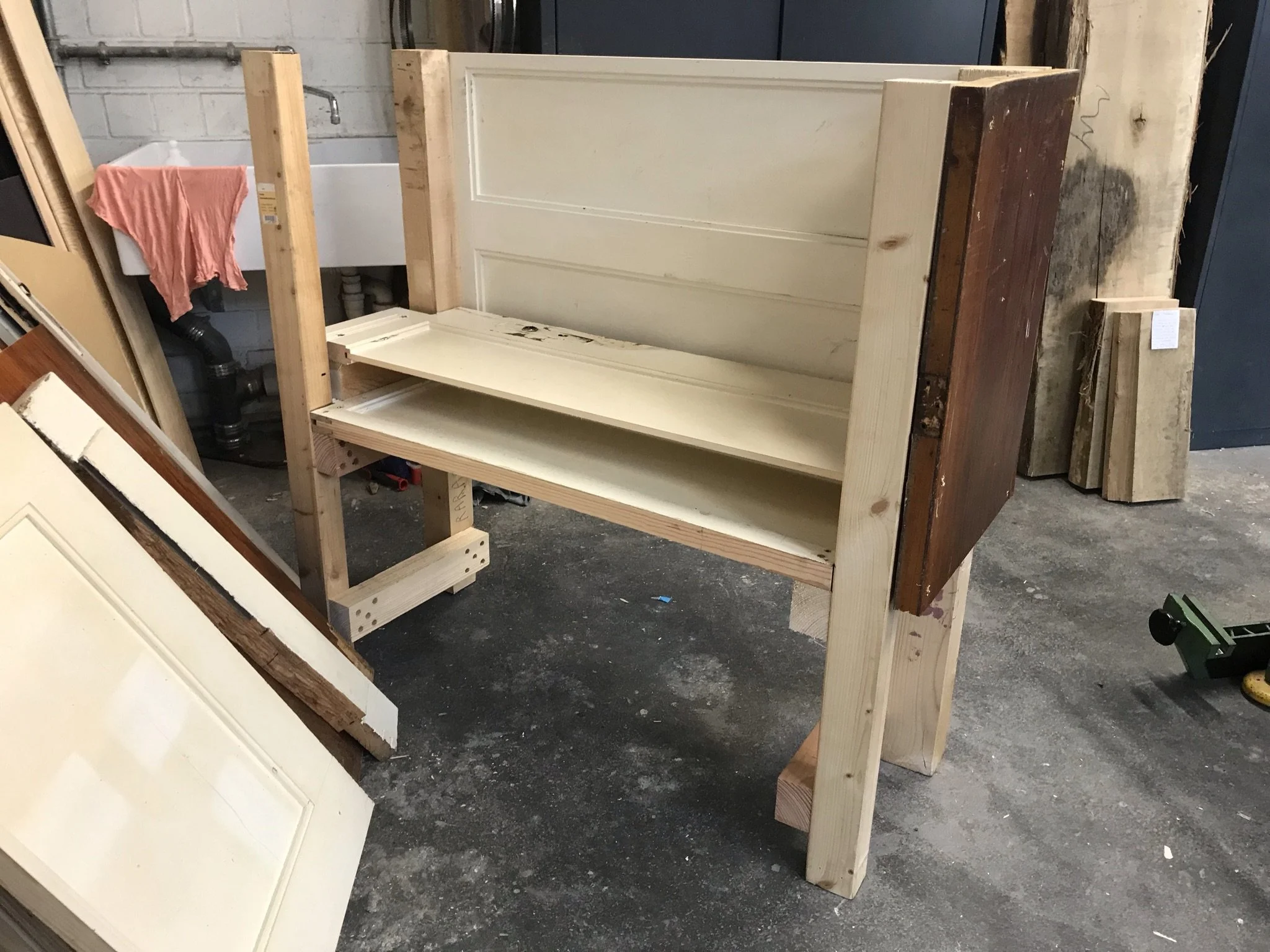
Thank you to M who helped me build the small box and Alfred Heine who helped me to build the big box.
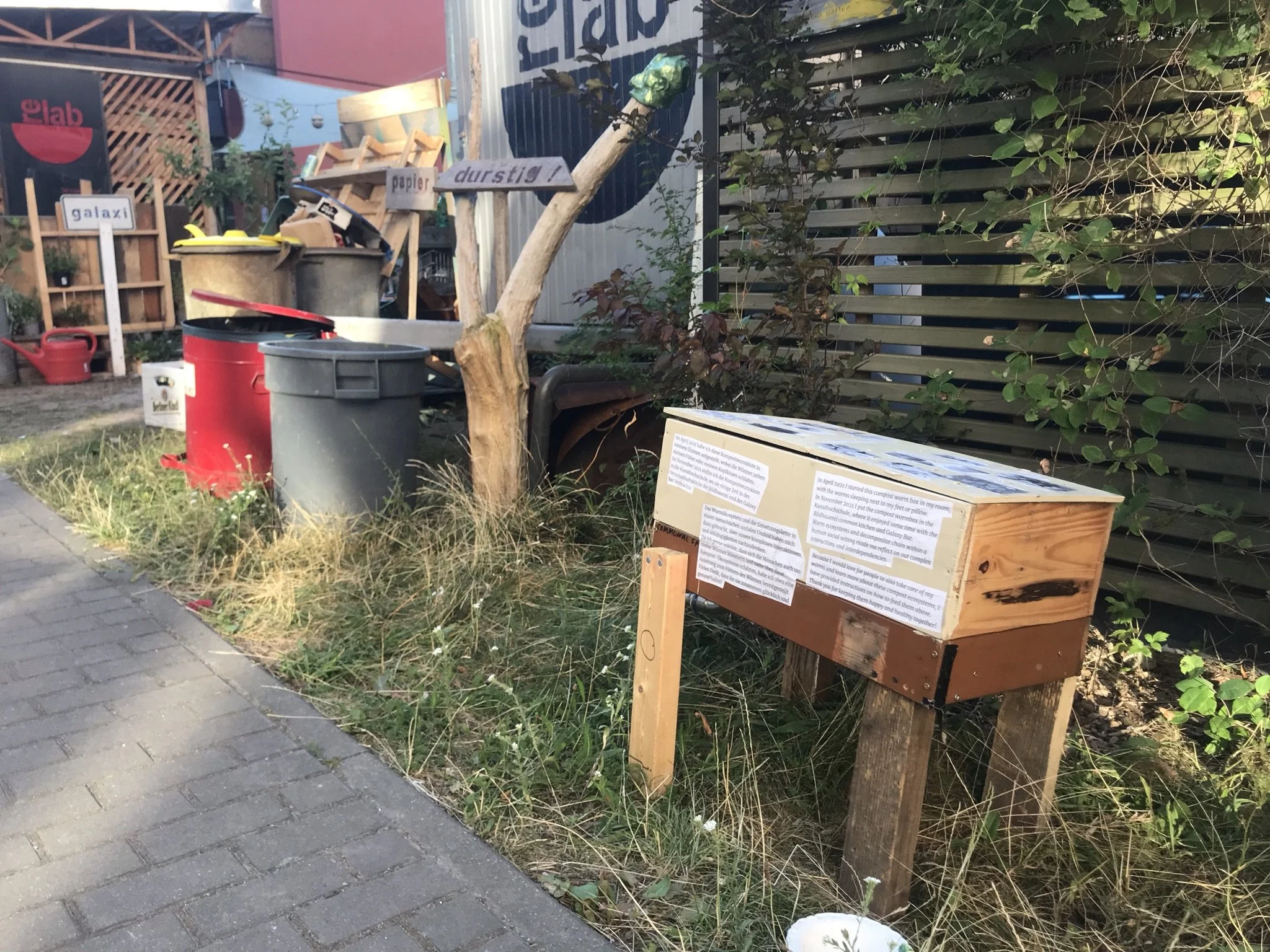
Landscape Composted Non-EU
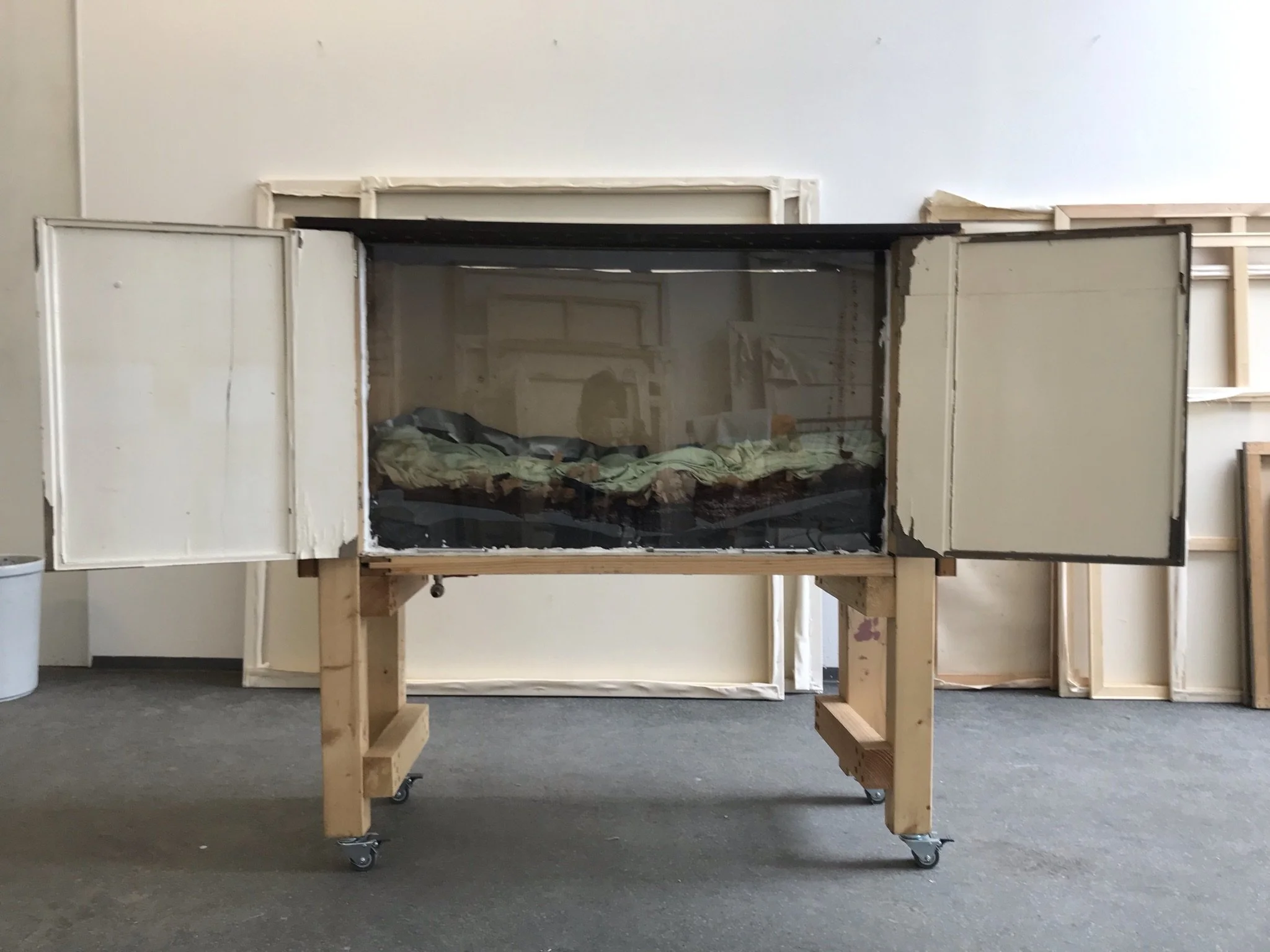
Red compost worms, waste & environment, box from wood and plexiglass
Compost worm box fed only with products that are imported from outside of the European Union.
Who gets to decide which beings and for what price deserves to enter Fortress Europe? Which imbalances of power shadow the dependency of a globalised trade economy? Which beings do we exercise our imperialism on, despite being dependent on them? Does the resulting compost count as non-EU soil or not? And why are bananas so cheap, despite most grown in non-EU countries?
Through building and activating a complex compost ecosystem consisting of red worms, insects, fungi, bacteria, mites, and more, I would like to question positions of power within interdependent ecosystems: consisting of humans and those treated as less-than-humans.